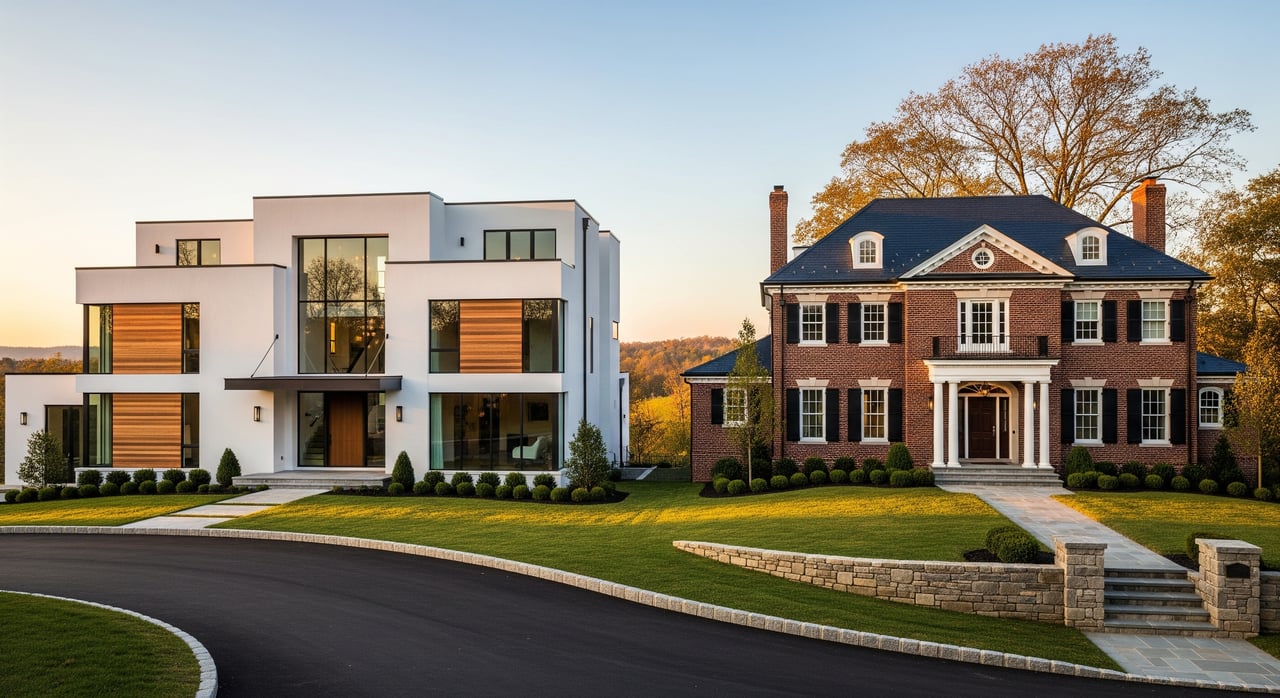
Is a brand-new build or an established resale the better move for you in Marshall Township? It is a big decision with real timelines, budget trade-offs, and daily-life impacts. You want confidence that you are choosing the right fit for your needs, not just the most eye-catching listing. In this guide, you will learn how new construction and resale homes compare on timing, warranties, HOAs, location, and total cost so you can move forward with clarity. Let’s dive in.
New vs resale in Marshall Township
New construction and resale homes are both available across Marshall Township and the North Hills. Each path can be a great choice depending on your timeline, budget, and preference for customization. New builds often deliver modern layouts and energy-efficient systems, while resales offer mature neighborhoods and predictable commute patterns. The key is to match your priorities with the realities of each option.
Timeline: how soon can you move
New construction timelines
If you buy a spec or inventory home that is already underway, you might move in within a few months depending on completion and permitting. Building from a plan with a production builder commonly runs about 4 to 9 months in many suburban markets. Custom homes can take 9 to 18 months or more. In Marshall Township, factors like municipal permitting, utility connections, road acceptance, winter weather, and change orders can extend schedules, so confirm the builder’s local average and inspection timing before you commit.
Resale timelines
Most resale purchases close within about 30 to 60 days once you are under contract. Your actual timeline depends on price negotiation, inspections, appraisal, and your lender’s process. If repairs are needed or the seller prefers a specific date, plan for a little flexibility. If you need to align a sale and a purchase, communicate early so your dates match up.
Warranties and post-closing protection
New construction warranty basics
New homes typically include tiered builder warranties. Many builders offer about one year for general workmanship and materials, two years for mechanical systems, and 10 years for major structural defects. Ask for the written warranty and a sample document before signing, and confirm whether the structural coverage is backed by a third party and if it transfers to a future buyer. Clarify how to submit claims, expected response times, and whether a one-year walkthrough is included.
Resale protection options
Resale homes do not come with a builder warranty unless the seller provides a separate one-year home warranty. Your best protection is a thorough inspection and clear seller disclosures. In Pennsylvania, warranty terms are contract-driven, so rely on your inspection period and add any agreed repairs to the contract. If a home warranty is important to you, you can negotiate it as part of your offer.
HOA and community maturity
New development HOAs
New subdivisions often launch with HOAs that are still under developer control, with limited reserve history and amenities still being built. Fees may change as the community matures, and special assessments are possible if unexpected costs arise. Review recorded HOA documents, the current budget, and any developer obligations that are not yet complete. Ask whether common areas and amenities have firm completion timelines.
Established neighborhood HOAs
Established HOAs tend to have a track record of fees, maintenance, and reserves. You can review past financials and meeting minutes to understand enforcement practices and planned projects. That history can reduce uncertainty, though older communities may face deferred maintenance. Either way, study the covenants and architectural rules so you know what is allowed.
Location trade-offs around Marshall Township
New subdivisions: pros and cons
Newer communities often deliver modern infrastructure, energy-efficient systems, and thoughtful layouts. You may also see sidewalks, trails, or planned amenities as the community grows. The trade-offs can include more construction traffic during build-out, less mature landscaping, and a longer drive to established services depending on the site. Confirm school assignments and check for potential redistricting or capacity updates with local authorities.
Established neighborhoods: pros and cons
Established areas offer mature trees, well-known traffic patterns, and a stable neighborhood character. You often have clear insight into commute times and nearby services. The trade-offs can include older roofs, HVAC, or windows that may need replacement sooner, which affects near-term costs. If an HOA exists, you can rely on a history of rules and fees.
Infrastructure and utilities checks
For any home, verify whether roads are accepted by the township, how stormwater is managed, and the status of sidewalks or street completion. Confirm whether the lot connects to public water and sewer or requires well and septic, along with any related permits. Review floodplain maps and ask about soil conditions that could affect building or landscaping. These details can impact both your timeline and long-term costs.
Cost and financing: beyond the sticker price
Purchase price vs total cost of ownership
A new build’s base price may look appealing, but upgrades, lot premiums, and design options can raise your total cost. New homes may have lower immediate repair costs and can be more energy efficient, which helps monthly expenses. Resale homes might be priced based on condition and location, and you can negotiate credits or repairs after inspections. Factor in HOA dues, possible assessments, utility costs, and near-term maintenance needs to get a full picture.
Appraisal and lending considerations
Lenders appraise new and resale homes similarly, but brand-new subdivisions can have fewer comparable sales, which may complicate valuations for heavily upgraded models. In established areas, comparable sales are usually easier to find. If you are using a builder’s preferred lender for incentives, compare the full loan terms, including rate, points, and closing costs, to confirm the net benefit.
Negotiating with builders: practical tips
- Watch builder timing. Incentives can be stronger at quarter or year end, or when a model or inventory home has aged.
- Ask for contract-backed incentives such as closing-cost help, rate buydowns, select upgrades, landscaping, or a waived lot premium. Put all incentives in writing.
- Use inventory homes for leverage. Builders may be more flexible on price or upgrades to reduce standing inventory.
- Lock selections early. Set clear allowances and reasonable change-order limits so late changes do not derail your budget or schedule.
- Protect your timeline. Include remedies for substantial delays and a detailed walkthrough and punch-list process before closing.
- Verify warranties. Review sample warranty documents, coverage tiers, transferability, and claim procedures.
At-a-glance comparison
| Factor | New Construction | Resale |
|---|---|---|
| Timeline | About 4–12+ months, shorter for spec homes, longer for custom | About 30–60 days from contract to close |
| Costs | Base price plus upgrades and lot premiums, fewer near-term repairs | Negotiated price, possible near-term maintenance or upgrades |
| Customization | High before selections lock, change orders add cost/time | Limited unless you remodel after closing |
| Warranties | Builder tiers are common: 1-year workmanship, 2-year systems, 10-year structural | No builder warranty unless a separate home warranty is provided |
| Inspections | Pre-drywall and final walkthrough, consider independent inspector | Full home inspection is standard, repair negotiations common |
| HOAs | Often new with developer control and limited reserves | Established history of fees, reserves, and rules |
| Neighborhood | Developing area with modern infrastructure and amenities | Mature character, predictable traffic and services |
| Appraisal | Fewer comps can complicate upgraded models | Comparables usually available |
| Risk Profile | Construction delays or scope creep | Potential hidden defects or aging systems |
Buyer checklists you can use
If you are building new
- Vet the builder’s reputation, years in business, and local references.
- Request the community plan, amenity timeline, and road or utility acceptance schedule.
- Review the builder’s contract, warranty, and option price sheets before signing.
- Confirm permits, inspection stages, and who pays for off-site improvements.
- Get clear allowances for appliances, flooring, cabinets, and landscaping, plus change-order fees.
- Ask about floodplain designations, soil conditions, and whether the lot is on public water and sewer or needs well and septic.
If you are buying resale
- Study seller disclosures, maintenance records, and recent utility bills.
- Order a comprehensive inspection and bring in specialists as needed based on the home’s age.
- Confirm property lines, easements, and any municipal assessments.
- If there is an HOA, obtain governing documents, budgets, and recent meeting minutes.
- Review recent comparable sales and the home’s tax assessment history.
For both paths
- Check school assignments and any planned capacity changes with local officials.
- Drive your commute during typical rush hours and map distances to services and healthcare.
- Verify the current property tax rate and any exemptions.
- Review flood maps and stormwater plans to understand risk and insurance needs.
Should you choose new or resale
If you need a predictable move date within the next two months, a resale home may be the most straightforward path. If you want modern systems, specific finishes, and are comfortable with a longer runway, new construction can be worth the wait. Either way, align your choice with your budget, your timeline, and how much customization you want.
When you are ready to compare real homes and real builder offerings in Marshall Township, connect with a local advisor who understands both paths. With a clear plan, you can choose with confidence and enjoy the move.
Ready to take the next step or get a pricing read on your current home? Request a Free Home Valuation and explore what is possible with Zita Billmann.
FAQs
How long does new construction typically take in Marshall Township?
- Timelines vary by builder and home type. Spec homes can be ready in a few months, while custom builds can take a year or more. Confirm the builder’s local average and permitting schedule.
Are new-home warranties reliable compared to resale protections?
- Many builders offer tiered coverage and some provide third-party structural warranties, but you should read the exact warranty terms and understand claim procedures before you sign.
Should I hire my own inspector for a new build?
- Yes. Independent pre-drywall and final inspections help catch issues early and give you leverage to require fixes before closing.
How do HOAs differ between new and established communities?
- New HOAs may be under developer control with limited reserves, while established HOAs offer a fee and maintenance history that you can review before buying.
Can I negotiate incentives with a builder in this area?
- Yes. Builders may offer closing-cost help, rate buydowns, or upgrades, especially on inventory homes or near sales targets, and all incentives should be written into the contract.